For much of American history, the mechanics of voting happened largely out of public view. Today, election transparency extends far beyond reporting results on election night. It also shapes how officials communicate procedures, preserve public records, and provide access to information that helps people understand how elections are administered.
Over the past 250 years, openness has evolved from simply preserving records to making them widely accessible. What once required searching through scattered archives increasingly includes searchable data, online reporting, and, where permitted by law, public access to ballot images and other records. This shift reflects a broader commitment to making election administration more visible, understandable, and accessible to the public.
How Election Transparency Evolved Across American History
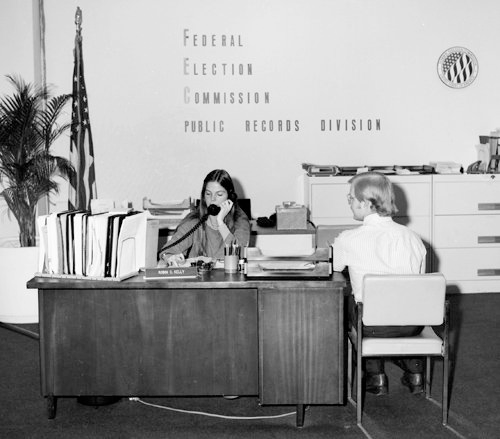
Since 1935, the Office of the Federal Register has helped preserve and share key Electoral College records, a reminder that election transparency in America has never been only about announcing winners. It also means keeping authoritative documents accessible long after voting ends.
Over time, expectations expanded from passive recordkeeping to proactive sharing. Through OpenEAC, the U.S. Election Assistance Commission frames election transparency as an active responsibility to collect and share election administration information, a shift that helped turn scattered records into open election data and widened the role of civic technology in public access.
That evolution is visible in how jurisdictions communicate the count itself. Unofficial totals are now posted on election websites, while poll-worker forms and other public documents remain available for review. This is not a break from the past but an extension of older recordkeeping practices into a faster, more accessible format.
What Election Transparency Looks Like in Practice Today
Today, transparency is built into the reporting infrastructure itself. In the most recent Election Administration and Voting Survey (EAVS), the nation’s most comprehensive source of election administration data, the EAVS reached a 100% response rate across states, territories, and the District of Columbia, showing how much more systematic public election information has become.
In practice, this openness is no longer limited to a single update on election night. It also includes open elections data that can be searched, compared, and revisited through tools like the 2024 EAVS Data Interactive, which lets users explore turnout, registration, voting equipment, and other administrative measures at the state and local levels.
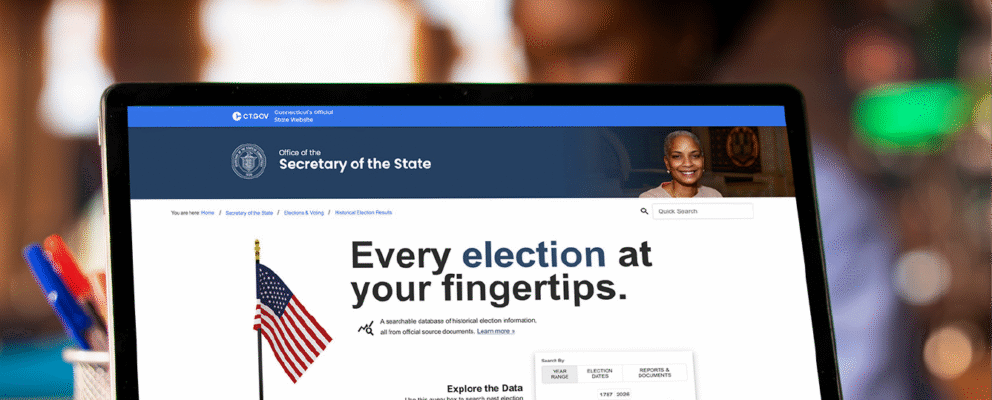
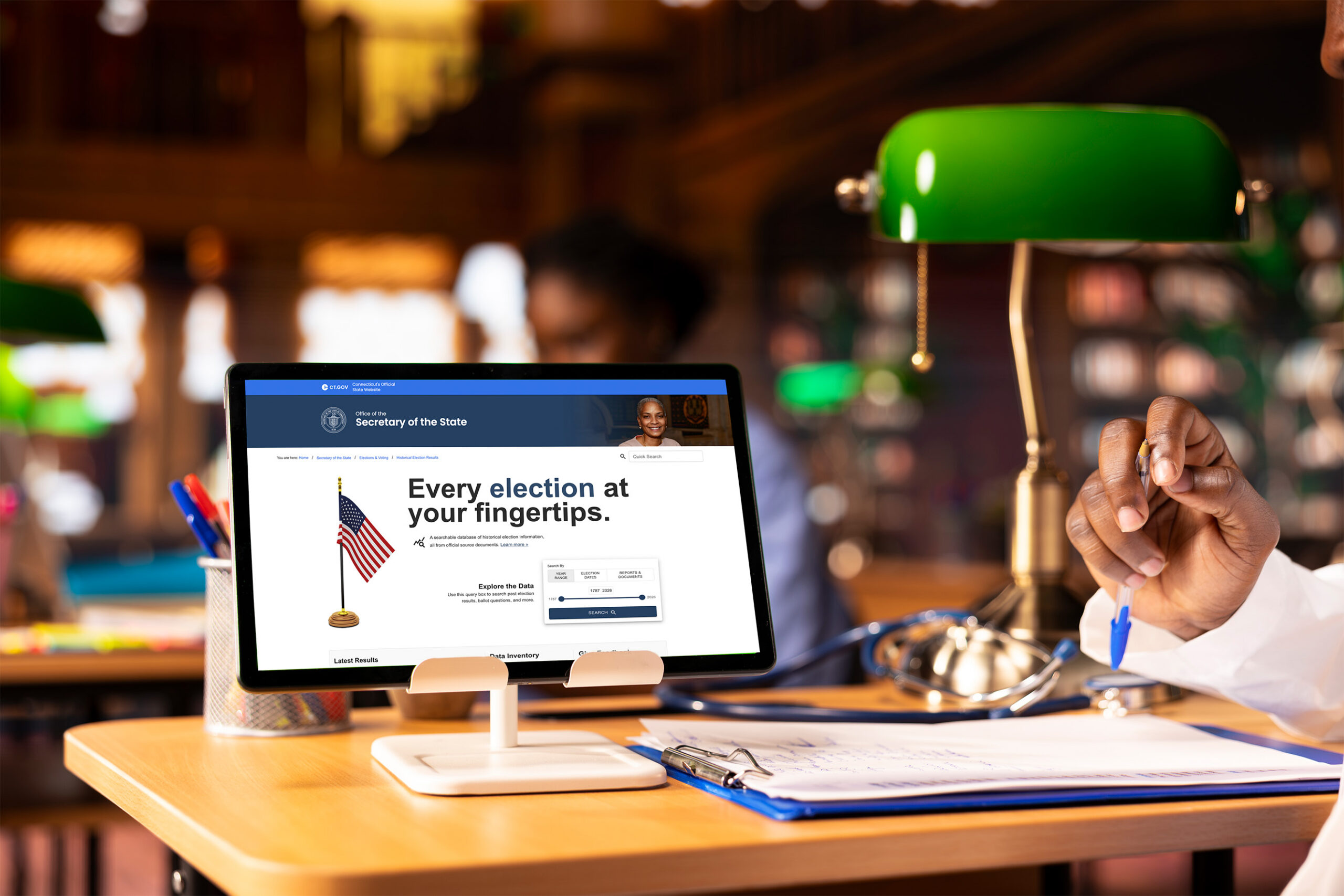
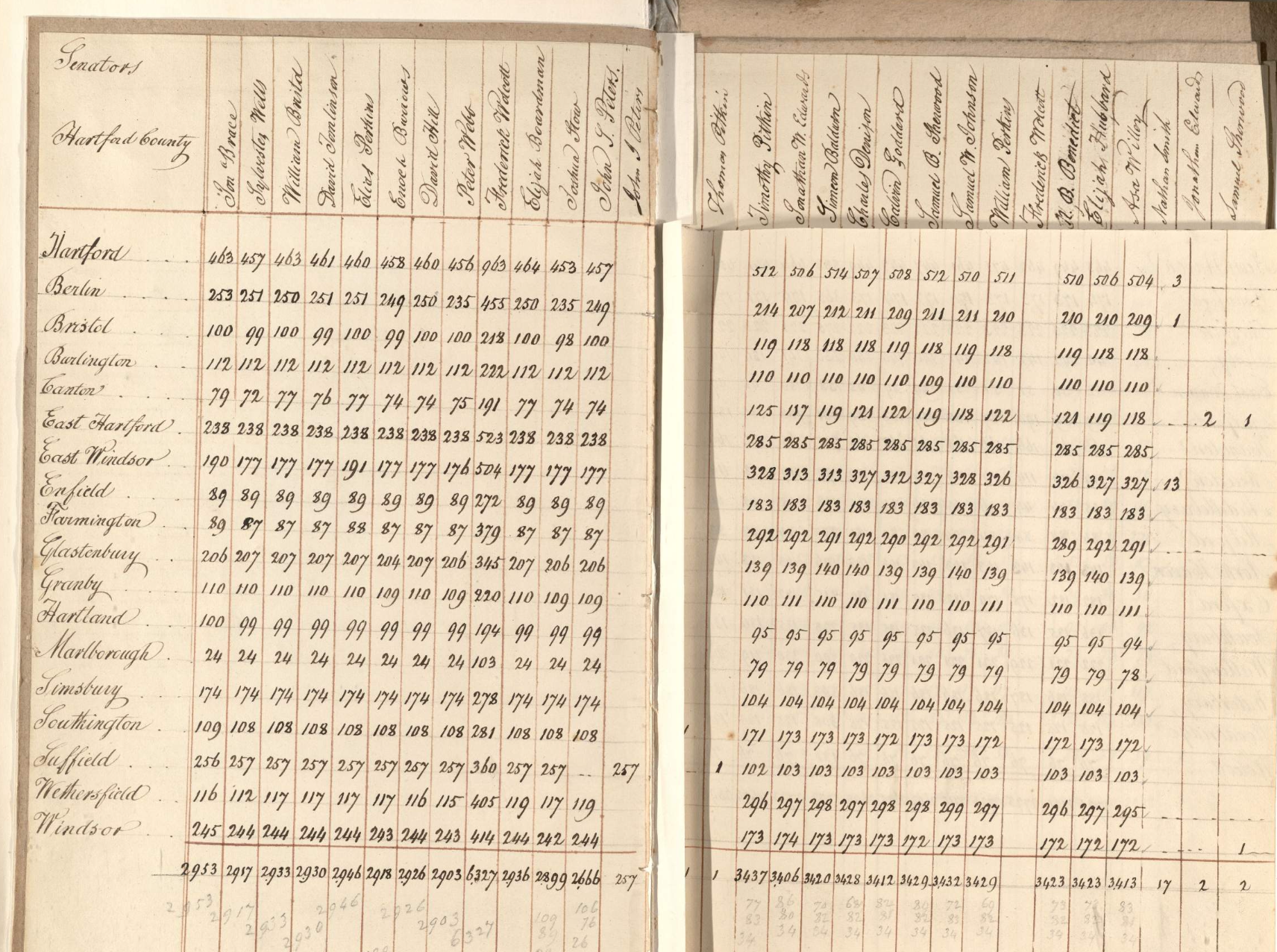
The same searchable approach increasingly extends to historical records. Civic technology like ElectionStats makes decades of election results searchable in one place, and Connecticut’s statewide deployment shows how deep that voter turnout data can reach, with results going back to 1787. Making that history browsable in one place gives residents and researchers a way to trace state elections across more than two centuries rather than piecing them together from scattered archives.
At the local level, transparency often comes down to a few practical habits:
- Label unofficial returns clearly so the public can distinguish early reporting from certified results.
- Maintain a Public Records Reading Room so policies, forms, and frequently requested files are available without delay.
- Pair reported totals with ballot transparency practices that explain what records exist, how they are retained, and when they can be reviewed.
Much of that work is about getting ahead of demand. A searchable platform like ElectionStats lets offices publish historical returns and voter registration data proactively, so residents can answer their own questions and offices field far fewer public records requests in the first place.
Where Election Transparency Goes Next

A post election audit extends this openness beyond reporting by checking that tabulated results match a sample of paper ballots, and those audits are often open to the public. The Ballot Verifier tool deepens that openness by giving people access to the underlying cast vote record and ballot image data, turning verification into a tool that citizens can use to run their own audit rather than a process they simply observe. As Mesa County, Colorado, Clerk and Recorder Bobbie Gross put it, “The tool effectively serves as a third-party audit, allowing anyone to cross-check the recorded ballot counts against the official results. This is a step forward in providing the people with their records and bringing even more transparency into our elections.”
Two and a half centuries in, election transparency has shifted from a single night’s announcement to a continuous practice: records preserved, data published, and results open to verification long after the polls close. What once required piecing together scattered archives can now, increasingly, be explored through searchable records and public audit processes.
As America marks 250 years of independence, this evolution reflects a broader commitment to making election information more accessible and understandable. At Civera, we’re proud to support election offices with technology that helps preserve public records, improve transparency, and make election information easier to access for the communities they serve.